The Importance of Play Kitchens in Child Development
Play kitchens are more than mere toys in a child's playroom—they serve as essential tools for nurturing a child's development. These imaginative playsets foster creativity and allow little ones to engage in role-playing, which is crucial for honing social skills and cognitive abilities. As children mimic adult behaviours, they gain a sense of independence and confidence while having fun. When exploring options, play kitchen sets come in various styles and sizes, making them an appealing addition to any household.
How Play Kitchens Promote Creativity and Imagination
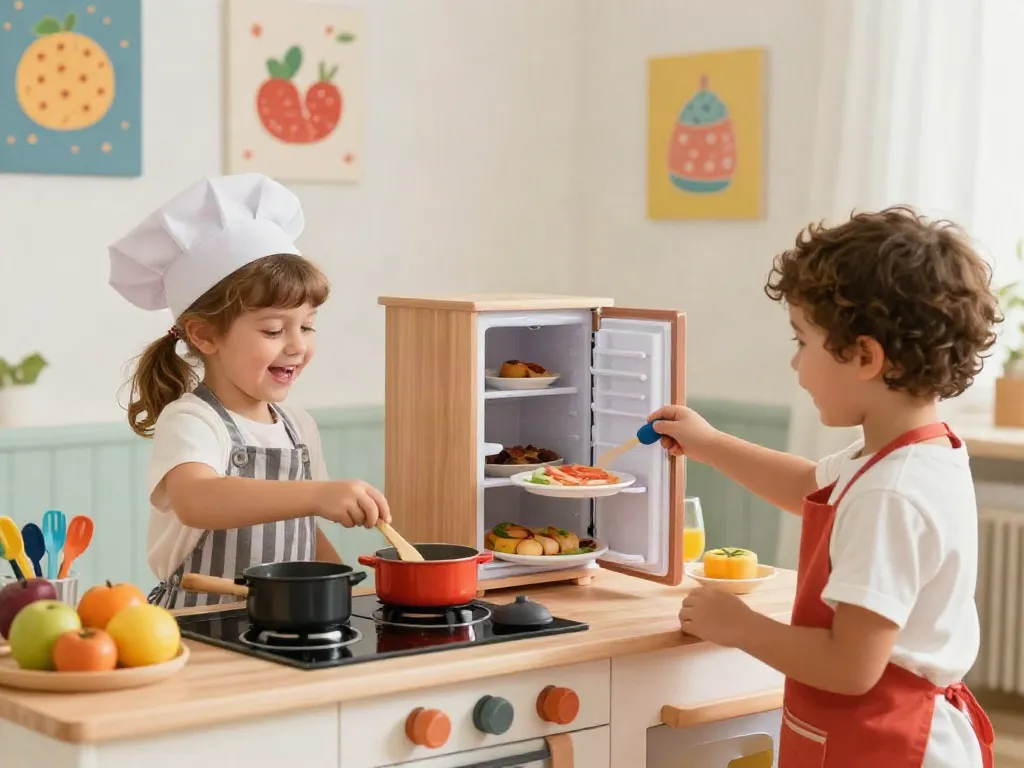
Engaging with a play kitchen stimulates a child's creativity and imagination. Children can create their culinary masterpieces and role-play as chefs, waitstaff, or even diners. This imaginative play fosters storytelling skills, allowing kids to invent scenarios, characters, and dialogues. Consequently, these activities enhance not only creative expression but also verbal and communication skills.
Role-Playing and Social Skills Enhancement
Role-playing is a critical aspect of child development. Play kitchens offer an ideal environment for children to interact with peers or siblings, encouraging cooperative play and teaching important social skills such as sharing, negotiation, and empathy. As children simulate cooking and serving food, they learn to navigate social scenarios that mirror real-life situations.
Cognitive Development Through Food Preparation Play
Food preparation play is fundamental in bolstering cognitive development. When children pretend to cook, they engage in activities involving measurements, counting, and even categorisation. These tasks help develop mathematical skills and critical thinking abilities. Furthermore, children learn about nutrition and healthy eating, an invaluable lesson for their lifelong wellbeing.
Choosing the Right Play Kitchen for Your Child
Selecting the perfect play kitchen involves considering various factors to ensure it suits your child's needs and interests. Size, material, and available features play crucial roles in enhancing a child's play experience.
Factors to Consider: Size, Material and Features
When choosing a play kitchen, the size should correlate with the space available in your home and your child's age. A larger play kitchen may provide more features and potential for creative play, but it requires ample room. The material is also important; wooden kitchens tend to be more durable and aesthetically pleasing compared to plastic options, which may be lighter and easier to move. Additionally, features such as sinks, ovens, and stovetops can enhance the play experience by mimicking a real kitchen.
Top Wooden vs. Plastic Play Kitchens: Pros and Cons
Each material has its advantages and disadvantages. Wooden play kitchens are often sturdier and more aesthetically appealing, fostering a sense of realism in play. However, they can be heavier and pricier. Plastic kitchens, on the other hand, are generally lighter, easier to clean, and more affordable, making them accessible for more families. Understanding these pros and cons can guide you to the best choice for your child.
Customisation Options: Making It Unique for Your Child
Customisation can enhance your child's attachment to their play kitchen. Some brands offer options to personalize kitchens with stickers or unique accessories that reflect your child's personality. Incorporating their favourite colours or themes can make the kitchen more inviting and exciting for playtime.
Safety and Durability in Play Kitchen Sets
Safety is paramount when selecting a play kitchen. Ensuring that the chosen set complies with safety standards is crucial to avoid potential hazards during play.
Essential Safety Features to Look For
Look for play kitchens that have rounded edges, non-toxic finishes, and sturdy construction to prevent tipping or breakage. Additionally, small parts should be securely attached to avoid choking risks, making careful research essential for a safe play environment.
Choosing Non-Toxic Materials for Peace of Mind
Non-toxic materials are vital for children's products, including play kitchens. When assessing a kitchen's safety, check for certifications and labels indicating that the materials used are free from harmful chemicals, ensuring peace of mind as your child engages in imaginative play.
Long-Lasting Durability: Investing in Quality
Investing in a high-quality play kitchen pays off in the long run. Durable kitchens endure the rigours of active play, making them a worthwhile purchase for parents. Opting for renowned brands that focus on lasting materials can help ensure that the kitchen will be a cherished part of your child's playtime for years to come.
Engaging Accessories to Enhance Play Kitchen Experiences
To maximise the educational and creative potential of a play kitchen, consider incorporating a variety of accessories that enhance the play experience.
Top 10 Accessories Every Play Kitchen Needs
- Play food sets (fruits, vegetables, meats)
- Cooking utensils (spatulas, ladles, measuring cups)
- Play pots and pans
- Appliances (microwave, blender, toaster)
- Chef hats and aprons
- Dishes and cutlery
- Food storage containers
- Play kitchen appliance batteries (for sound effects)
- Recipe books or pretend menus
- Storage solutions for easy clean-up
DIY Play Kitchen Accessories: Fun Projects for Parents
Creating DIY accessories can be a fun and rewarding activity for parents and children. By crafting your items, such as fabric food or decorative items, you not only save money but also personalise the play kitchen to better suit your child's preferences. Engaging in these projects together can also strengthen the parent-child bond.
How Accessories Enhance Learning Through Play
Accessing various accessories expands the scope of play and learning. By interacting with different food types and utensils, children learn about categorisation, colours, and even basic cooking techniques. Accessories can lead to scenarios that involve teamwork and sharing, essential skills for socialization.
Future Trends in Play Kitchens: What to Expect in 2026
As technology and social values evolve, play kitchens will likely see significant innovations and trends shaping their future.
Technological Innovations in Play Kitchen Designs
The integration of technology in play kitchens is becoming increasingly prominent. Expect to see smart kitchens equipped with interactive features, such as voice commands or augmented reality, enhancing the imaginative experience and allowing for more educational play.
Sustainable Practices in Play Kitchen Manufacturing
With rising environmental awareness, manufacturers are likely to focus on sustainability, utilising eco-friendly materials and practices in production. Parents can expect more options for kitchens made from recycled materials that are safe for children and better for the planet.
How Trends Reflect Changing Parenting Styles and Needs
As parenting styles evolve, the demand for educational toys that promote creativity and social interaction will only increase. Future play kitchens will likely mirror these needs, providing tools that help children develop essential life skills while having fun.
What age should a kid get a play kitchen?
Typically, children aged two and older are best suited for play kitchens. However, the right age may vary based on the child's interest and developmental readiness.
How much does a play kitchen cost?
Pricing for play kitchens can range widely, from £50 to over £300, depending on factors like size, material, and brand. Budgeting accordingly can help you find a suitable kitchen that fits your family's needs.
Is it worth getting a play kitchen?
Absolutely! Play kitchens are excellent for promoting imaginative play, critical thinking, and social skills, making them a valuable investment in your child's development.
Which play kitchen is the best?
The best kitchen varies by individual preference and needs. Popular choices include those from brands like KidKraft and Melissa & Doug, known for their quality and engaging features.
What accessories can enhance a play kitchen?
Accessories such as pretend food, utensils, and cooking tools significantly enhance the play experience by providing children with a wider array of play opportunities.